Why Energy Efficiency Improvement in Your Home Matters

When I first started thinking about energy efficiency improvement in my home, I wasn’t sure where to begin. It seemed like a big task, and honestly, a bit overwhelming. But as I learned more, I realized how important it is—not just for saving money, but for comfort, environmental impact, and even the value of my property. If you’re curious about why improving home energy efficiency matters and how it can make a real difference, let’s dive in together.
The Real Benefits of Energy Efficiency Improvement
Energy efficiency improvement isn’t just a buzzword. It’s a practical approach to making your home use less energy while keeping it comfortable. When you improve your home’s energy efficiency, you’re essentially reducing waste. This means your heating, cooling, and electrical systems work smarter, not harder.
Here’s what I found most compelling about energy efficiency improvement:
Lower utility bills: Using less energy means spending less money on electricity and gas.
Increased comfort: Better insulation and sealing keep your home warmer in winter and cooler in summer.
Reduced environmental impact: Using less energy means fewer greenhouse gas emissions.
Higher home value: Energy-efficient homes are attractive to buyers and can sell faster.
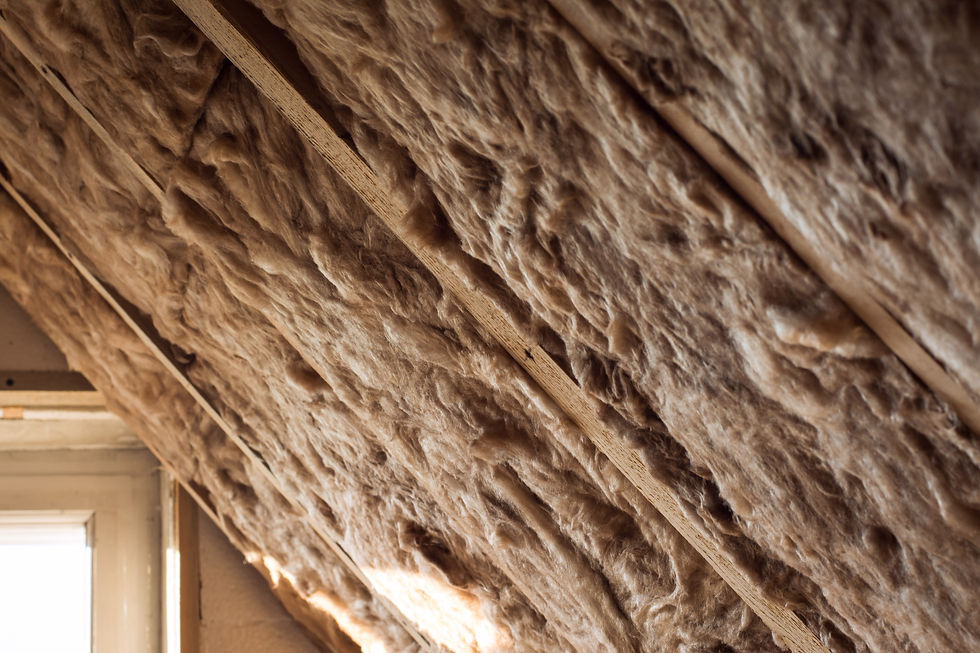
For example, upgrading insulation in your attic or walls can stop heat from escaping during cold months and keep the heat out during hot months. This simple change can reduce your heating and cooling costs significantly.
How to Approach Energy Efficiency Improvement in Your Home
Improving your home’s energy efficiency might sound complicated, but it doesn’t have to be. I found that breaking it down into manageable steps made the process easier and more effective.
Conduct an energy audit: This is a professional assessment that identifies where your home is losing energy. It’s the best way to know what to fix first.
Seal air leaks: Gaps around windows, doors, and vents let air escape. Caulking and weatherstripping are simple fixes.
Upgrade insulation: Adding insulation in your attic, walls, or crawl spaces can make a big difference.
Install energy-efficient windows: Double or triple-pane windows reduce heat transfer.
Use energy-efficient appliances: Look for ENERGY STAR-rated products.
Consider smart thermostats: These devices help you control heating and cooling more efficiently.
If you want to learn more about how to improve home energy efficiency, there are plenty of resources and experts who can guide you through the process.
Is it Cheaper to Leave Heating on Low All Day?
This is a question I’ve heard a lot, especially in regions with mild winters like the Gulf Coast. The idea is that keeping your heating on low all day might use less energy than turning it off and on repeatedly.
The truth is, it depends on your home’s insulation and heating system. In a well-insulated home, turning the heat off when you’re not there or at night and then turning it back on when needed usually saves more energy. That’s because your heating system doesn’t have to work as hard to raise the temperature from a very low level.
However, if your home is poorly insulated, the temperature can drop quickly, and the heating system will use more energy to warm it back up. In that case, keeping the heat on low might be more efficient.
Using a programmable or smart thermostat can help you manage this automatically. You can set it to lower the temperature when you’re away or asleep and warm up the house before you return or wake up.
Practical Tips for Energy Efficiency in the Gulf Coast Climate
Living in the Gulf Coast region means dealing with hot, humid summers and mild winters. This climate calls for specific energy efficiency strategies that work best here.
Focus on cooling efficiency: Since air conditioning is a major energy user, make sure your system is well-maintained and sized correctly.
Use reflective roofing materials: These help reduce heat absorption.
Seal and insulate ductwork: Leaky ducts can waste a lot of cooled air.
Install ceiling fans: They help circulate air and reduce the need for air conditioning.
Plant shade trees: Trees can block direct sunlight and cool your home naturally.
These steps not only reduce your energy bills but also make your home more comfortable during the hot months.

Why Investing in Energy Efficiency is a Smart Move
At the end of the day, investing in energy efficiency is about more than just saving money. It’s about creating a home that feels good to live in and is better for the planet. Plus, with rising energy costs, every bit of efficiency counts.
When I improved my home’s energy efficiency, I noticed:
A more consistent indoor temperature
Lower monthly energy bills
Less strain on my heating and cooling systems
A sense of pride knowing I’m doing my part for the environment
If you’re ready to take the next step, consider reaching out to local experts who understand the unique needs of homes in South Louisiana and South Mississippi. They can provide tailored advice and solutions that fit your budget and goals.
Energy efficiency improvement is a journey worth taking. It’s about making your home work better for you today and in the future.