Budget-Friendly Insulation Options: Affordable Insulation Solutions for Your Needs

When it comes to making your home or business more energy-efficient, insulation plays a huge role. But let's be honest - insulation can sometimes feel like a costly investment. The good news? There are plenty of budget-friendly insulation options that can help you save money on energy bills without breaking the bank. Whether you're upgrading an older building or insulating a new space, I’m here to walk you through some practical, affordable insulation solutions that work well in the Gulf Coast region.
Exploring Budget-Friendly Insulation Options
Finding the right insulation doesn't mean you have to spend a fortune. Several types of insulation materials and methods offer great value for the price. Here are some popular budget-friendly options to consider:
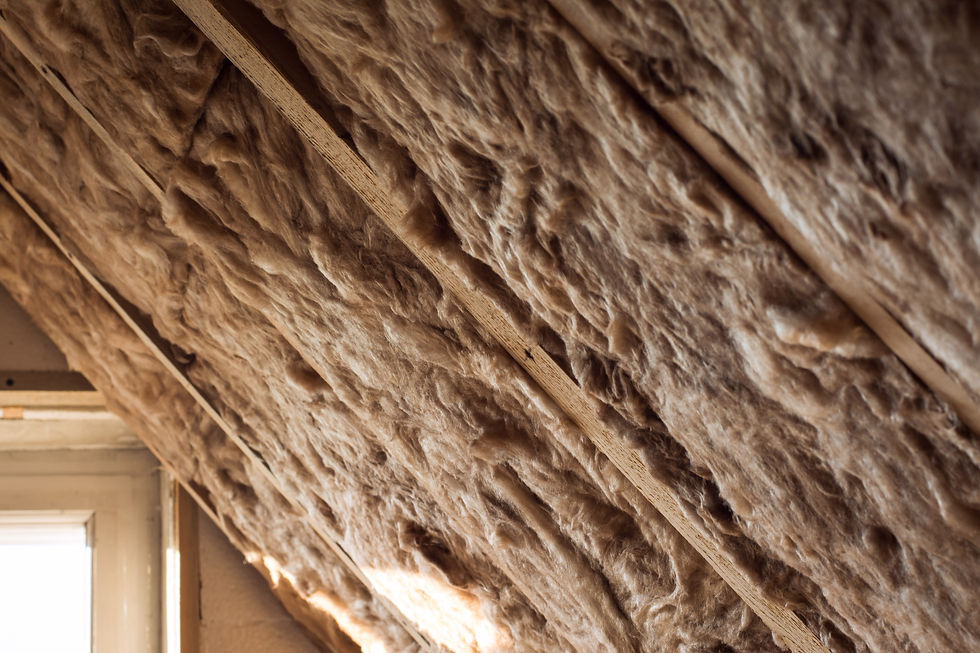
Fiberglass Batts: This is one of the most common and affordable insulation types. It’s easy to install and works well in walls, attics, and floors. Fiberglass batts provide good thermal resistance and are widely available.
Blown-In Cellulose: Made from recycled paper treated for fire resistance, cellulose is an eco-friendly and cost-effective option. It’s great for filling irregular spaces and can be blown into attics or wall cavities.
Spray Foam (Low-Density): While high-density spray foam can be pricey, low-density spray foam offers a middle ground. It seals gaps and cracks effectively, improving energy efficiency without a huge upfront cost.
Reflective Foil Insulation: Particularly useful in hot climates like the Gulf Coast, reflective foil insulation helps reduce heat gain by reflecting radiant heat away from your home.
Rigid Foam Boards: These boards provide good insulation and moisture resistance. They’re often used in basements, crawl spaces, and exterior walls.
Each of these options has its pros and cons, but the key is to match the insulation type to your specific needs and budget. For example, if you want a quick DIY project, fiberglass batts might be your best bet. If you’re looking for something that seals air leaks well, spray foam could be worth the investment.

Tips for Choosing the Right Insulation for Your Climate
Living in the Gulf Coast means dealing with hot, humid summers and mild winters. Your insulation choice should reflect these conditions to maximize comfort and energy savings.
Focus on Moisture Resistance: Humidity can cause mold and mildew problems. Materials like closed-cell spray foam or rigid foam boards resist moisture better than fiberglass.
Consider Reflective Barriers: Reflective foil insulation can reduce heat gain from the sun, which is a big plus in this region.
Seal Air Leaks: Insulation works best when combined with proper air sealing. Look for options that fill gaps and cracks to keep warm or cool air inside.
Check R-Values: The R-value measures insulation’s resistance to heat flow. For the Gulf Coast, aim for an R-value of at least R-30 in attics and R-13 to R-15 in walls.
Think Long-Term: Sometimes spending a bit more upfront on higher-quality insulation pays off with lower energy bills and fewer repairs.
By tailoring your insulation to the climate, you’ll create a more comfortable space and reduce your energy costs.

DIY vs. Professional Installation: What’s Best for You?
One of the biggest decisions when insulating is whether to do it yourself or hire a pro. Both have their advantages:
DIY Installation:
- Pros: Saves money on labor, flexible timing, and a sense of accomplishment.
- Cons: Can be time-consuming, requires some skill, and improper installation can reduce effectiveness.
Professional Installation:
- Pros: Experts ensure proper installation, better air sealing, and often faster completion.
- Cons: Higher upfront cost, scheduling required.
If you’re comfortable with basic tools and safety gear, fiberglass batts or reflective foil can be manageable DIY projects. However, for blown-in cellulose or spray foam, professional installation is usually recommended to get the best results.
Maximizing Energy Savings with Affordable Insulation Solutions
To get the most out of your insulation investment, consider these practical steps:
Seal Air Leaks First: Use caulk or weatherstripping around windows, doors, and vents before adding insulation.
Insulate Attics and Crawl Spaces: These areas are often overlooked but can be major sources of heat loss or gain.
Upgrade Windows and Doors: Insulation works hand-in-hand with energy-efficient windows and doors to keep your space comfortable.
Use a Vapor Barrier: In humid climates, vapor barriers help prevent moisture buildup inside walls.
Regular Maintenance: Check insulation periodically for damage or compression and replace or add more as needed.
By combining these strategies with the right insulation, you’ll enjoy a more comfortable environment and lower utility bills.
If you want to explore more about affordable insulation solutions, Luas Insulation & Energy Consultants offers expert advice and services tailored to the Gulf Coast climate. Their team can help you find the best options for your budget and needs.
Taking the Next Step Toward Energy Efficiency
Investing in insulation is one of the smartest moves you can make for your property. It not only improves comfort but also reduces energy consumption and costs. Whether you choose to tackle the project yourself or bring in professionals, there are plenty of budget-friendly insulation options that fit your needs.
Remember, the key is to select materials suited to the Gulf Coast’s unique climate and your specific space. With the right approach, you’ll enjoy a cooler home in the summer, warmer rooms in the winter, and a healthier bottom line.
Ready to improve your energy efficiency? Start by assessing your current insulation and exploring the options that work best for you. Your future self (and your wallet) will thank you!