Maximizing Comfort and Longevity with Attic Insulation and Ventilation Strategies

Attics often get overlooked when it comes to home comfort and maintenance, yet they play a crucial role in how your house performs throughout the year. Without proper insulation and ventilation, attics can become heat traps in summer and cold zones in winter, leading to higher energy bills, faster roof wear, and uncomfortable living spaces. Using blown insulation combined with effective attic ventilation, such as solar attic fans, can transform your attic into a well-regulated environment that protects your home and enhances comfort.
Why Attic Insulation Matters
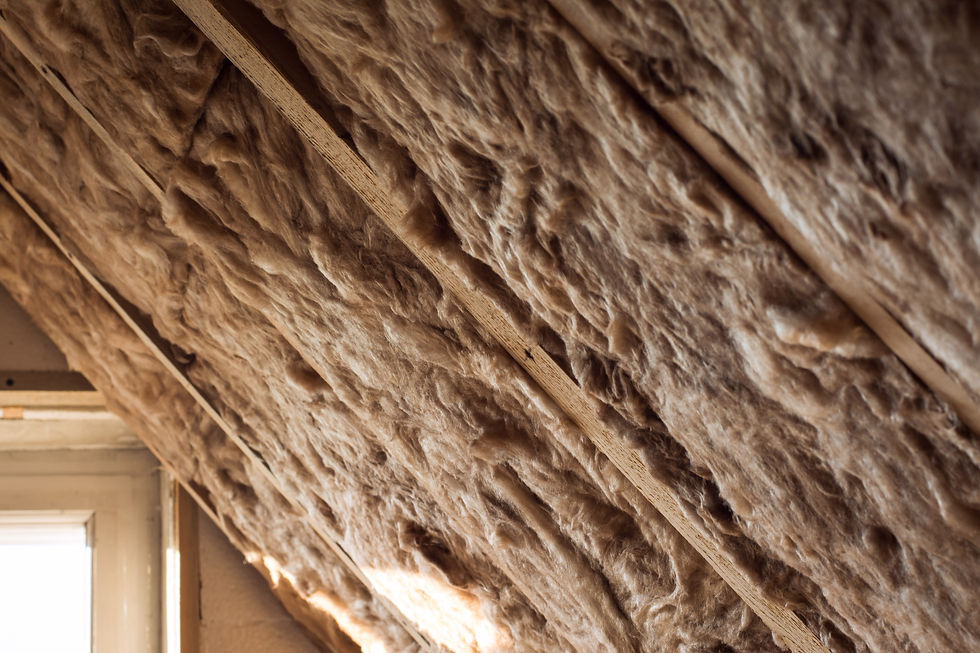
Attic insulation acts as a barrier that slows down heat transfer between your living space and the outside environment. In summer, it keeps the hot air from penetrating your home, and in winter, it retains warmth inside. Blown insulation materials like fiberglass or cellulose are popular choices because they fill gaps and cover irregular spaces more effectively than traditional batt insulation.
Blown Fiberglass: Made from fine glass fibers, it resists moisture and provides excellent thermal resistance.
Cellulose: Made from recycled paper treated for fire resistance, it offers good coverage and is environmentally friendly.
Both types can be installed quickly by professionals or experienced DIYers, and they adapt well to different attic shapes and obstacles.
The Role of Attic Ventilation
Insulation alone is not enough. Without proper ventilation, heat and moisture can build up in the attic, causing damage to roofing materials and reducing the effectiveness of insulation. Ventilation allows fresh air to circulate, removing excess heat and moisture.
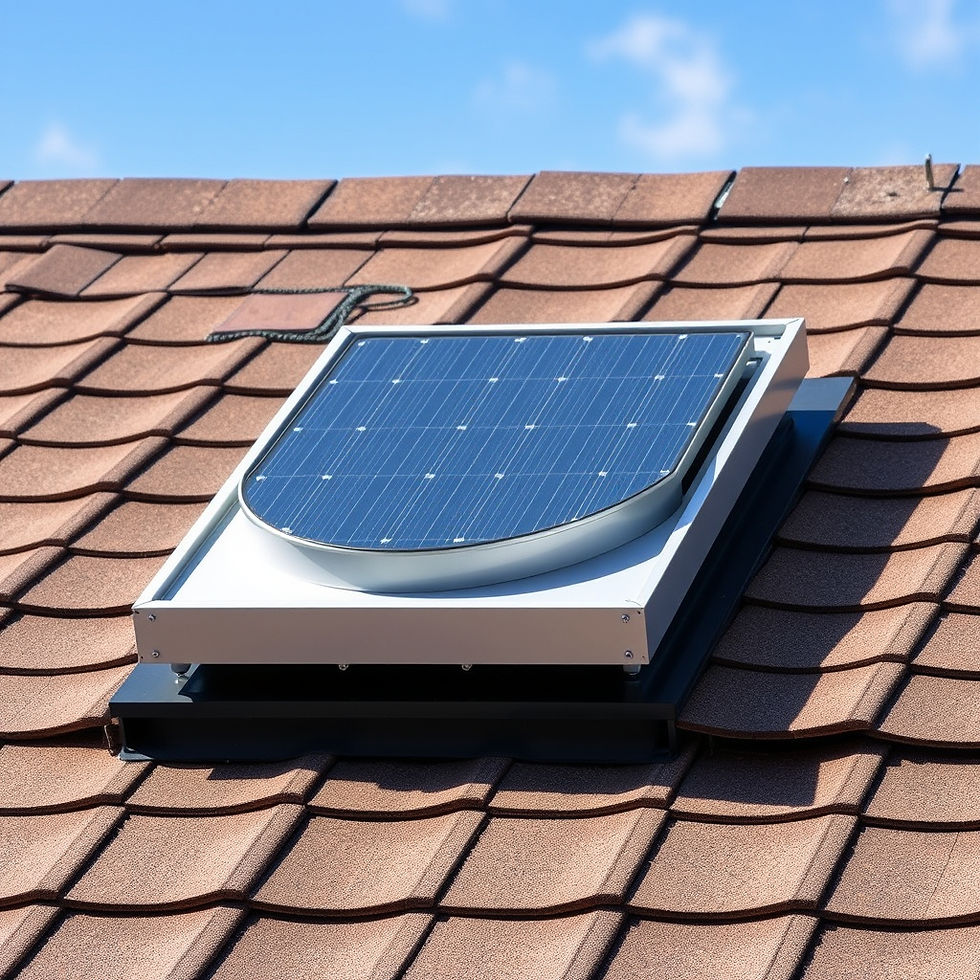
Solar attic fans are an energy-efficient solution that uses sunlight to power a fan pulling hot air out of the attic. This continuous airflow helps maintain a cooler attic temperature, which:
Reduces strain on your air conditioning system
Prevents ice dams in winter by keeping roof temperature stable
Extends the life of roofing materials by reducing heat-related wear
How Blown Insulation and Solar Fans Work Together
When you combine blown insulation with solar attic fans, you create a system that controls both heat transfer and air movement. The insulation slows heat flow into your home, while the fans remove trapped hot air before it can affect your living space or roof.
This combination offers several benefits:
Improved Energy Efficiency: Cooler attics mean your HVAC system works less, lowering energy bills.
Enhanced Comfort: Your home stays at a more consistent temperature year-round.
Roof Longevity: Proper ventilation reduces heat and moisture damage, preventing premature roof aging.
Reduced Moisture Problems: Ventilation helps prevent mold and mildew growth caused by trapped humidity.
Practical Tips for Attic Insulation and Ventilation
To get the most out of your attic improvements, consider these practical steps:
Assess Current Insulation: Check the depth and condition of existing insulation. The U.S. Department of Energy recommends R-38 to R-60 for attics in most climates.
Choose the Right Material: Blown fiberglass is ideal for moisture-prone areas, while cellulose is better for eco-conscious homeowners.
Install Solar Attic Fans Strategically: Place fans near the roof’s peak where hot air accumulates. Ensure intake vents are clear to allow fresh air to enter.
Seal Air Leaks: Before adding insulation, seal gaps around pipes, vents, and chimneys to prevent air leaks.
Maintain Ventilation Openings: Keep soffit and ridge vents unobstructed to support airflow.
Real-World Example
A homeowner in a hot climate upgraded their attic with blown cellulose insulation and installed two solar attic fans. Over the summer, their attic temperature dropped by an average of 20 degrees Fahrenheit compared to the previous year. This change reduced their air conditioning costs by nearly 15%, and the roof showed fewer signs of heat damage after two years.
Monitoring and Maintenance
After installation, monitor your attic’s condition regularly. Check insulation for settling or moisture damage and ensure fans operate correctly. Cleaning vents and fans annually helps maintain airflow and efficiency.