Top Home Energy Efficiency Tips for Your Gulf Coast Home

Saving energy at home is more than just a trend - it’s a smart way to cut costs and live more comfortably. Especially here on the Gulf Coast, where the weather can be hot and humid, making your home energy-efficient is a real game-changer. I’ve gathered some of the best home energy efficiency tips that work well in this region. These ideas are practical, easy to implement, and can make a noticeable difference in your energy bills and comfort.
Why Home Energy Efficiency Tips Matter in the Gulf Coast
The Gulf Coast’s climate means air conditioning is a major part of daily life. That’s why focusing on energy efficiency here isn’t just about saving money - it’s about keeping your home cool without wasting energy. When your home is well insulated and sealed, your cooling system doesn’t have to work as hard. This reduces wear and tear on your equipment and lowers your energy bills.
Plus, energy-efficient homes are better for the environment. Using less energy means fewer emissions and a smaller carbon footprint. It’s a win-win for your wallet and the planet.
Simple Home Energy Efficiency Tips You Can Start Today
You don’t need to overhaul your entire home to see improvements. Start with these straightforward tips:
Seal air leaks: Check around windows, doors, and outlets for drafts. Use weatherstripping or caulk to seal gaps.
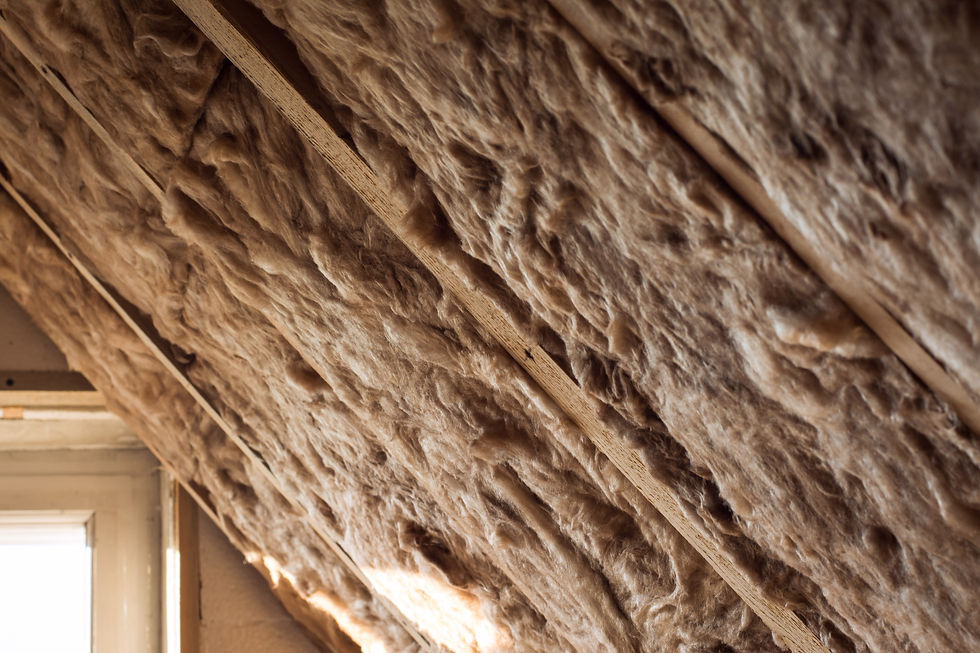
Upgrade insulation: Proper insulation in your attic and walls keeps cool air in and hot air out.
Use energy-efficient lighting: Switch to LED bulbs which use less energy and last longer.
Install programmable thermostats: Set your AC to run less when you’re not home.
Maintain your HVAC system: Change filters regularly and schedule professional tune-ups.
These small changes add up. For example, sealing leaks can reduce your cooling costs by up to 20%. And upgrading insulation can make your home feel cooler without turning the thermostat down.

How to Improve Home Energy Efficiency with Insulation and Air Sealing
One of the most effective ways to boost your home’s energy efficiency is through insulation and air sealing. In the Gulf Coast, where humidity and heat are constant, insulation acts as a barrier that keeps your indoor temperature stable.
Start by inspecting your attic. Heat rises, so a poorly insulated attic lets warm air seep into your living space. Adding insulation here can make a big difference. Fiberglass batts, spray foam, or blown-in cellulose are common options. Each has its pros and cons, but the key is to have enough insulation to meet or exceed local building codes.
Next, focus on air sealing. Even small cracks around windows, doors, and vents can let in hot, humid air. Use caulk for small gaps and expanding foam for larger openings. Don’t forget to check areas around plumbing and electrical penetrations.
If you’re unsure where to start, a professional energy audit can pinpoint problem areas. This service often includes blower door testing to find leaks you might miss.

Smart Appliances and Lighting for Energy Savings
Upgrading to energy-efficient appliances is another smart move. Look for the ENERGY STAR label when replacing refrigerators, washers, or air conditioners. These appliances use less electricity and water, which is especially important in a region where cooling and humidity control are critical.
Lighting is an easy win. LED bulbs use about 75% less energy than traditional incandescent bulbs and last up to 25 times longer. Replace bulbs in high-use areas like kitchens, living rooms, and outdoor spaces.
Consider installing dimmer switches or motion sensors in less frequently used rooms. These controls help reduce energy waste by adjusting lighting as needed.
Landscaping and Outdoor Tips to Boost Energy Efficiency
Believe it or not, your yard can help keep your home cooler. Strategic landscaping can provide shade and reduce heat gain.
Planting trees or tall shrubs on the south and west sides of your home blocks the harsh afternoon sun. Deciduous trees are great because they provide shade in summer and let sunlight through in winter.
Use mulch around plants to keep soil moist and cool. This reduces the heat radiating toward your home’s foundation.
Also, consider installing awnings or shade sails over windows that get direct sunlight. These simple additions can lower indoor temperatures and reduce air conditioning use.
Taking the Next Step Toward a More Efficient Home
If you want to dive deeper into how to improve home energy efficiency, working with experts can make a big difference. Professionals can assess your home’s unique needs and recommend tailored solutions.
Upgrading insulation, sealing leaks, and installing energy-efficient systems might seem like a big project, but the long-term savings and comfort are worth it. Plus, many energy efficiency improvements increase your home’s value.
Remember, every home is different. What works well for one might not be the best for another. That’s why personalized advice is so valuable.
Making Your Home Comfortable and Cost-Effective
Improving your home’s energy efficiency is a journey, not a one-time fix. Start with small changes and build from there. Over time, you’ll notice lower energy bills, a more comfortable living space, and a smaller environmental footprint.
By focusing on insulation, sealing, smart appliances, and landscaping, you’re setting your home up for success in the Gulf Coast climate. It’s about working smarter, not harder, to keep your home cool and your energy costs down.
Take the first step today - your future self will thank you!