Why Your Home Still Feels Uncomfortable Even After an HVAC Upgrade, Lane Pace Explains


I recently shared my thoughts and experience with HVAC upgrades. Upgrading your system will not always fix your problems. See my thoughts in this article on MSN.
Upgrading your HVAC system is supposed to fix comfort problems. New equipment promises better efficiency, quieter operation, and more consistent temperatures. But for many homeowners, the result is frustratingly familiar: rooms that are still too hot or too cold, uneven airflow, lingering humidity, or energy bills that don’t seem to match expectations.
If that sounds familiar, you’re not alone.
Building performance specialist Lane Pace says the issue often has less to do with the HVAC system itself and more to do with how the home is built.
“People expect a new system to solve comfort issues on its own,” Pace says. “But heating and cooling equipment can only work as well as the house allows it to.”
In many cases, the real problem starts with the home’s structure, not the equipment inside it.
The Common Misconception: Comfort Comes From the System
When a home feels uncomfortable, most homeowners naturally look to the HVAC system as the culprit. It’s visible, expensive, and often marketed as the solution to uneven temperatures or high energy bills.
But Pace says this focus on equipment overlooks a bigger factor: how well the home contains conditioned air.
“Comfort isn’t just about producing warm or cool air,” he explains. “It’s about keeping that air where it’s supposed to be.”
If air is leaking out, heat is moving freely through walls and ceilings, or moisture is entering the home, even a brand-new system will struggle to keep up.
How Comfort Actually Works Inside a Home
To understand why a new HVAC system doesn’t always solve the problem, it helps to understand how air and energy move through a house.
Warm air rises.
Air follows the path of least resistance.
Moisture travels with airflow.
These forces don’t change just because new equipment is installed.
“The building envelope controls comfort,” Pace says. “That’s everything separating indoor air from outdoor conditions.”
The building envelope includes walls, ceilings, attics, floors, insulation, and all the seams and penetrations between them. When that envelope is leaky or poorly sealed, comfort problems show up no matter how advanced the HVAC system is.
Where Homes Commonly Lose Comfort
Many of the biggest comfort issues originate in places homeowners rarely see.
Attics
Small gaps around attic hatches, recessed lights, duct penetrations, and framing transitions allow conditioned air to escape upward. In summer, heat enters. In winter, warmth leaks out.
Wall and Ceiling Connections
Where walls meet ceilings, tiny cracks often form over time. Individually they seem minor, but together they create meaningful air loss.
Crawl Spaces and Subfloors
In homes with crawl spaces, heat and moisture can move upward through unsealed floors. This often leads to rooms that feel clammy or uneven, even when the air conditioner is running.
“These aren’t dramatic failures,” Pace says. “They’re small openings that add up.”
Why Bigger or Newer Systems Don’t Fix the Issue
When comfort problems persist after an HVAC upgrade, homeowners are sometimes told they need a larger system or additional equipment. Pace says that approach can make things worse.
Oversized systems tend to short-cycle, turning on and off too quickly to properly manage humidity. Others may cool the air but leave rooms feeling uncomfortable because airflow problems remain unresolved.
“You can’t out-equip a leaky house,” Pace explains. “The system just works harder to compensate.”
The result is often higher energy bills, increased wear on equipment, and continued discomfort.
Why Insulation Alone Isn’t Enough
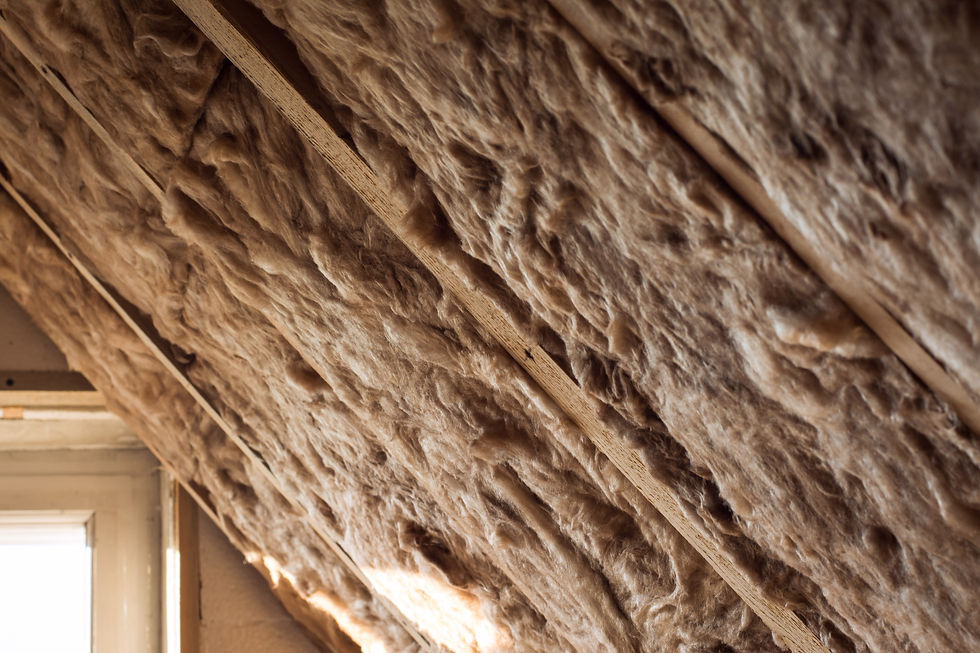
Insulation is an important part of energy efficiency, but it doesn’t stop air movement on its own.
“Insulation slows heat transfer,” Pace says. “It doesn’t stop air from leaking.”
If air can still move freely through gaps and cracks, conditioned air escapes and outside air enters. That’s why insulation upgrades deliver the best results when paired with proper air sealing.
Without addressing leaks, homeowners may invest in insulation and still feel disappointed by the outcome.
How Humidity Makes Everything Feel Worse
In many regions, humidity plays a major role in comfort.
High humidity makes rooms feel warmer than they actually are. It can cause lingering odors, condensation on vents or windows, and that sticky feeling that never quite goes away.
“People think humidity is just a climate issue,” Pace says. “But it’s closely tied to how air moves through the home.”
Air leaks allow humid outdoor air to enter, and poorly controlled airflow prevents HVAC systems from removing moisture effectively. That’s why some homes feel uncomfortable even when the thermostat reads the right temperature.
Signs the Problem Isn’t Your HVAC System
If you’ve upgraded your HVAC system but still experience any of the following, the issue may lie elsewhere:
Uneven temperatures between rooms
Persistent humidity or clammy air
Drafts even when windows are closed
Frequent system cycling
Energy bills that don’t reflect recent upgrades
“These are signs of how the house is performing,” Pace says. “Not just how the equipment is performing.”
What to Do Before Spending More Money
Before investing in additional equipment or upgrades, Pace recommends taking a step back and evaluating the home as a system.
That means understanding:
Where air is leaking
How insulation is performing
How moisture moves through the home
How changes in one area affect another
A whole-home assessment that looks at airflow, sealing, insulation, and moisture together can reveal issues that new equipment alone cannot fix.
“The goal isn’t to replace everything,” Pace says. “It’s to make the house work with the system, not against it.”
The Takeaway
If your home still feels uncomfortable after an HVAC upgrade, the problem likely isn’t the system. It’s the structure around it.
Comfort improves when air, temperature, and moisture are controlled together. Without addressing how a home contains conditioned air, even the best HVAC equipment will fall short.
“When the building envelope is doing its job,” Pace says, “comfort improves, efficiency follows, and the system finally gets a chance to work the way it was designed to.”