Your Guide to Local Insulation Installation Services

When it comes to making your home or business more comfortable and energy-efficient, insulation plays a crucial role. Proper insulation keeps the heat where you want it - inside during the winter and outside during the summer. If you’ve been thinking about upgrading or installing insulation, you might be wondering where to start and what to expect. I’m here to walk you through everything you need to know about local insulation installation services, especially if you live in the Gulf Coast region.
Why Choose Local Insulation Installation Services?
Choosing local insulation installation services has several advantages. First, local experts understand the unique climate challenges of the Gulf Coast, such as humidity, heat, and occasional storms. This knowledge helps them recommend the best insulation materials and techniques for your specific needs.
Local installers are also more accessible for consultations, follow-ups, and any necessary repairs. They often have a reputation to uphold in the community, which means you can expect quality work and reliable service. Plus, supporting local businesses helps the economy and keeps jobs in your area.
If you’re searching for “insulation installation near me,” check out Luas Insulation & Energy Consultants. Our personalized approach ensures you get the most value and comfort from your investment.

Understanding Different Types of Insulation
Not all insulation is created equal. There are several types to consider, each with its own benefits and ideal applications. Here’s a quick overview:
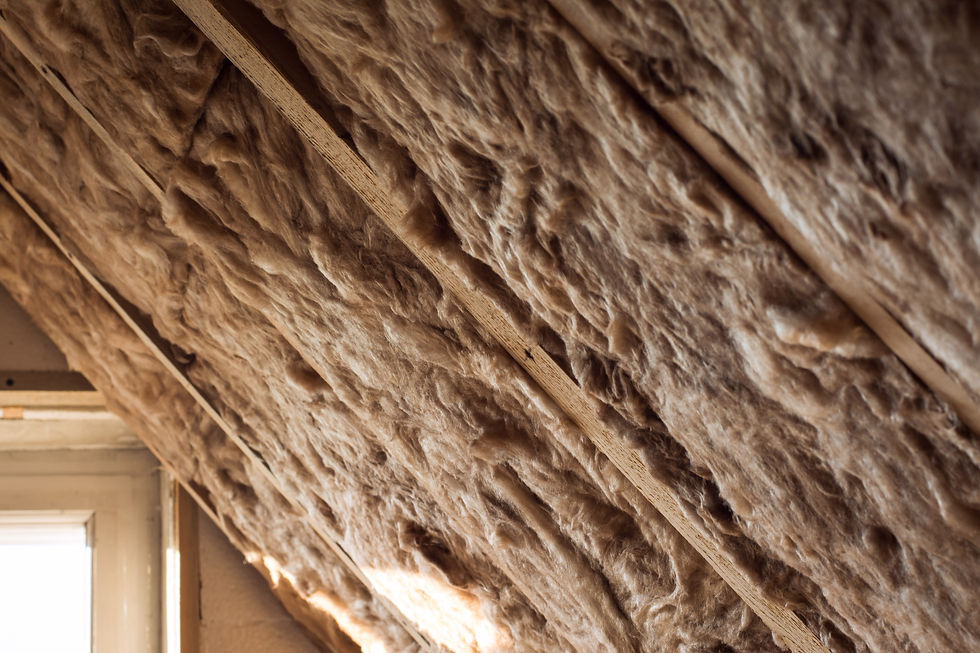
Batt (Fiberglass) Insulation: This is one of the most common types. It’s made of fine glass fibers and is usually installed in batts or rolls. It’s affordable and effective for walls, attics, and floors.
Spray Foam Insulation: This type expands on application, filling gaps and cracks. It provides excellent air sealing and is great for irregular spaces.
Blown-In Insulation: Made of loose fibers or pellets, this insulation is blown into attics or wall cavities. It’s good for adding insulation to existing structures.
Choosing the right insulation depends on your building’s design, your budget, and your energy efficiency goals. Local installers can help you weigh these factors and pick the best option.

What to Expect During the Installation Process
Knowing what happens during insulation installation can help you prepare and feel confident about the project. Here’s a typical process:
Assessment and Quote: A professional will inspect your property, identify areas that need insulation, and provide a detailed quote.
Preparation: The installation area is cleared and prepped. This might include sealing leaks or repairing damage.
Installation: Depending on the insulation type, installers will lay batts, spray foam, blow in loose fill, or place rigid boards.
Cleanup: Professionals clean up the work area, removing debris and ensuring everything is safe.
Final Inspection: A walkthrough ensures the job meets quality standards and your expectations.
The whole process can take a few hours to a couple of days, depending on the size of the project. It’s a good idea to ask your installer about any preparations you should make, like moving furniture or staying out of the house during certain phases.
Tips for Choosing the Right Insulation Installer
Finding the right installer is just as important as choosing the right insulation. Here are some tips to help you make a smart choice:
Check Credentials: Look for licensed, insured, and certified professionals.
Read Reviews: Online reviews and testimonials can give you insight into the company’s reputation.
Ask for References: A reputable installer should be happy to provide references from past customers.
Get Multiple Quotes: Comparing quotes helps you understand the market rate and avoid overpaying.
Discuss Energy Goals: Make sure the installer understands your goals for energy efficiency and comfort.
Warranty and Guarantees: Ask about warranties on materials and workmanship.
By doing your homework, you’ll find a trusted partner who can deliver excellent results and help you save money in the long run.
Making the Most of Your Insulation Investment
Once your insulation is installed, there are a few things you can do to maximize its benefits:
Seal Air Leaks: Insulation works best when combined with proper air sealing around windows, doors, and vents.
Maintain Your HVAC System: A well-maintained heating and cooling system complements your insulation efforts.
Use Energy-Efficient Windows and Doors: These reduce heat transfer and improve overall efficiency.
Monitor Your Energy Bills: Keep an eye on your bills to see the impact of your new insulation.
Schedule Regular Inspections: Over time, insulation can settle or get damaged. Regular checks help maintain performance.
Investing in insulation is a smart step toward a more comfortable and energy-efficient property. With the right installation and care, you’ll enjoy savings and comfort for years to come.
If you’re ready to improve your home or business with expert insulation services, don’t hesitate to reach out to us. For those searching for reliable insulation installation near me, Luas Insulation & Energy Consultants can provide tailored solutions that fit your needs and budget.
Remember, good insulation is more than just a home improvement - it’s a long-term investment in comfort, savings, and peace of mind.